Baby Lion Embroidery Design: A Designer's Real-World Review
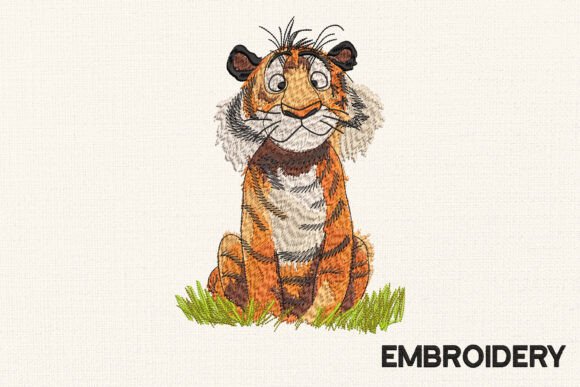
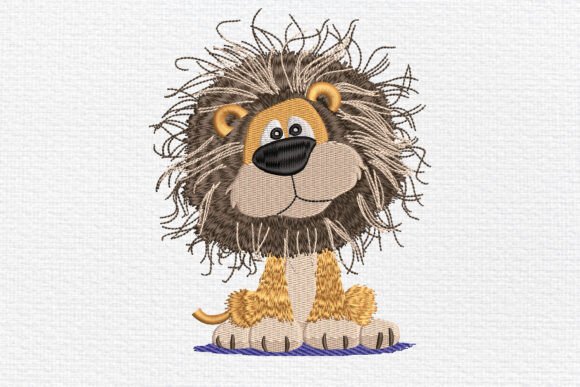
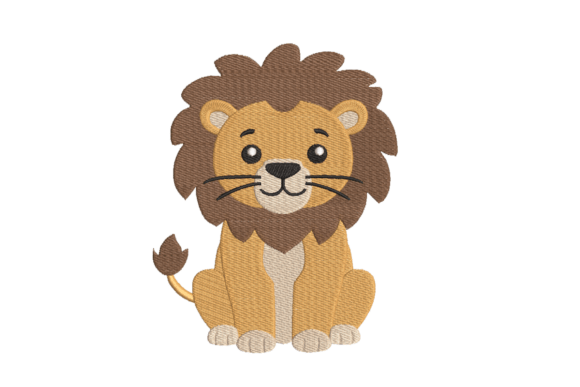
When I first opened the Baby Lion Embroidery Design file on my screen, my immediate reaction wasn't just about cuteness; it was about viability. As a designer who spends hours digitizing and stitching for clients, I look past the initial charm to see how a motif will actually behave under the needle. This design sits comfortably in the Wild Animals category, but its execution feels tailored specifically for the nursery and boutique gift markets rather than realistic wildlife depiction. The visual personality is undeniably quirky and fun, promising to add a distinct flair to anything from a simple tote bag to a high-end baby blanket.
First Impressions and Visual Mood
The layout of this machine embroidery design suggests a playful approach. It avoids the heavy, dense fill stitches often found in traditional animal motifs, which can make small designs look like solid blobs of thread. Instead, the lines appear open enough to let the fabric texture breathe, a critical factor when working with softer materials like cotton jersey or fleece. The mood it creates is warm and inviting, perfect for projects intended to evoke comfort. For an Etsy seller or craft business owner, this specific aesthetic is gold; it appeals directly to parents and gift-givers looking for something unique but not overly aggressive in style.
In terms of detail level, the design strikes a balance. It has enough definition to be recognizable as a lion cub without relying on tiny, fragile running stitches that might break after a few washes. This makes it a strong candidate for a personalized gift that needs to survive real-life use. Whether you are creating a holiday embroidery piece for a stocking or a year-round item, the visual clarity holds up well.
Real-World Application: The Custom Tote Scenario
To truly test the waters, I imagined a specific real-life scenario: producing a run of custom canvas tote bag design items for a local boutique. Canvas is a sturdy fabric, but it can be unforgiving if the stitch density is too high. Placing the Baby Lion Embroidery Design on a natural-colored canvas tote creates an instant focal point. The contrast between the thread colors and the neutral background would be sharp, ensuring the "fun and quirky flair" mentioned in the product description actually translates to the finished product.
However, the real test comes with stretchier fabrics. If I were to apply this to a sweatshirt embroidery project, the stability of the design becomes paramount. Sweatshirts move, stretch, and get washed frequently. A design with poor underlay or excessive density can cause puckering, ruining the professional look of a small shop product. Based on the visual structure, this design seems adaptable, but it would require a high-quality cut-away stabilizer to ensure the lion retains its shape over time. For custom apparel, this attention to backend preparation is what separates a hobbyist attempt from a commercial-grade item.
Versatility Across Product Lines
The versatility of this embroidery file extends beyond clothing. It is equally suited for home decor items. Imagine this stitched onto a linen pillow cover for a child's room or a set of kitchen tea towels. In the context of baby embroidery, the softness of the design is a major asset. Parents are often hesitant to put rough, scratchy embroidery near a baby's skin. If the backside of this design is clean—with proper trimming and no loose jumps—it becomes a safe and attractive option for onesies or bibs.
For those selling digital embroidery file assets or finished goods, the ability to scale this design is key. While the prompt suggests checking specific hoop sizes, generally, a design of this nature works best when not pushed to its absolute minimum size. Shrinking it too much for a tiny embroidered patch might lose the charm of the facial features. Conversely, blowing it up too large without adjusting density could lead to thread breaks. It fits naturally into the Wild Animals theme but serves a broader purpose in general Embroidery projects focused on character and whimsy.
Critical Considerations for Professional Use
Before committing this design to a client order, there are several practical hurdles to clear. First, always test the design on scrap fabric that matches your final material. A design that looks crisp on cotton might sink into plush minky or distort on a knit cap. Speaking of caps, curved surfaces like those on a baseball hat require careful hooping and potentially a different stabilizer strategy than flat garments.
- Fabric Selection: Avoid using this on extremely thin or sheer fabrics unless you have experience with water-soluble stabilizers, as the stitch weight might be too heavy.
- Thread Contrast: Review your thread chart. On dark fabrics, ensure the outline stitches are bold enough to define the lion's shape against the background.
- Washability: For items like towels or aprons that face frequent laundering, check the satin stitch columns. Long spans of satin without tacking can snag easily.
- Licensing: Always confirm the license terms. Just because a design is cute doesn't mean it is cleared for commercial embroidery or mass production.
Another crucial step is inspecting the small details. Does the design rely on tiny lettering or minute corners? If so, these are the first areas to fail in production. A good handmade product relies on consistency. If you are making ten of these for a craft fair, every single one needs to look identical. This requires a stable machine embroidery design that doesn't fluctuate wildly with minor tension changes.
Enhancing Brand Value and Customer Trust
Ultimately, the choice of design affects your brand perception. Using a high-quality, well-thought-out motif like the Baby Lion Embroidery Design signals to your customers that you care about quality. It boosts buyer engagement because the image is relatable and emotionally resonant. In a market saturated with generic clipart, a design with genuine character helps your printable mockup stand out and converts browsers into buyers.
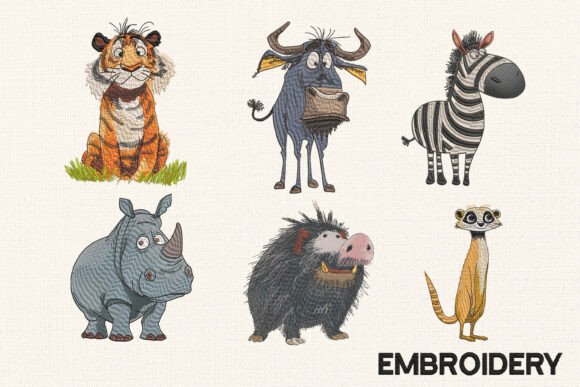
Whether you are decorating a holiday gift for a friend or building a catalog of design assets for your online store, the practical performance of the stitch matters more than the preview image. This design offers a solid foundation for creative entrepreneurs who want to deliver value. It invites customization—perhaps adding a name below the lion or pairing it with other jungle friends—making it a flexible tool in your creative arsenal.
In conclusion, while the Baby Lion Embroidery Design brings a delightful aesthetic to the table, its true value lies in how you execute it. By respecting the limitations of your materials, choosing the right stabilizer, and understanding the nuances of stitch density, you can transform a simple digital file into a cherished finished product. It is a reminder that in our trade, the magic happens not just in the download, but in the thoughtful application of the design to real-world textiles.