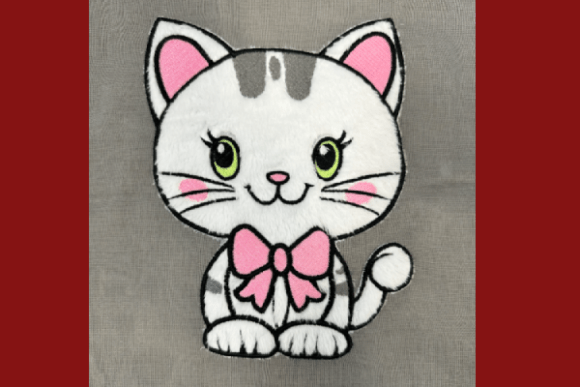
Cute Cat Applique for Machine Embroidery Review
As a designer who spends more time staring at stitch maps than actual cats, I approach every new machine embroidery design with a mix of excitement and skepticism. We have all seen those "cute" files that look adorable on a screen but turn into a tangled mess of thread breaks and puckering once they hit the hoop. So, when I pulled up the Cute Cat Applique for Machine Embroidery file to evaluate it for a real-world project, my primary goal wasn't just to admire the artwork; it was to determine if this applique design could hold up under the pressure of a client deadline or a busy craft fair weekend.
First Impressions: Shape, Mood, and Visual Personality
The first thing that strikes you about this design is its universal appeal. It captures that specific niche of feline finesse without getting bogged down in hyper-realistic details that often cause stitching issues. The mood is undeniably cheerful and huggable, making it an instant candidate for projects meant to evoke warmth. From a layout perspective, the shapes are clean and distinct. In the world of embroidery, clear shapes mean fewer jump stitches and cleaner color changes. The design relies heavily on the interplay between the fabric of the applique piece and the surrounding satin stitch borders, which is a smart choice. Satin stitches provide a glossy, professional finish that elevates the perceived value of the finished product, while the underlying fill stitch areas (if present in the background elements) add necessary texture without overwhelming the fabric.
This isn't a design that screams for attention with excessive density; rather, it whispers charm. For an Etsy seller or a boutique owner, this subtlety is crucial. It allows the design to sit comfortably on various items without looking like a heavy, stiff patch glued onto a garment. The visual personality suggests versatility—it feels equally at home in a nursery setting as it does on a casual weekend tote.
Real-World Application: The Tote Bag Test Case
To truly gauge the viability of the Cute Cat Applique for Machine Embroidery, I mentally walked through a common scenario: creating a custom order for a local pet boutique. The client wanted a series of canvas tote bag designs featuring their brand mascot, but with a seasonal twist. This cat design seemed perfect for a "Meow-chmas" holiday collection.
In this context, the applique technique shines. Canvas is a sturdy fabric, but it can be unforgiving if the stitch count is too high. Because this design utilizes fabric layers for the body of the cat, it reduces the total amount of thread needed compared to a full fill-stitch version. This results in a softer hand-feel, which is essential for a bag that will be carried around daily. When imagining the custom apparel or accessory line, I can see this working beautifully on cotton twill aprons or heavy-weight linen tea towels. The contrast between the applique fabric and the base material creates a dimensional look that photographs exceptionally well for printable mockups and social media previews.
For baby embroidery projects, such as a bib or a onesie, the softness achieved through applique is a major selling point for parents. No one wants a scratchy, dense block of thread against a baby's skin. This design's structure suggests it would remain flexible after washing, maintaining its shape without curling at the edges—a common failure point for poorly digitized appliques.
Fabric Considerations and Potential Pitfalls
While the design is robust, no digital embroidery file is immune to fabric limitations. If you are planning to use this on stretchy knits for sweatshirt embroidery or t-shirts, caution is advised. Applique adds weight, and on a lightweight jersey, it could cause sagging over time. In these cases, using a high-quality cut-away stabilizer is non-negotiable. You must ensure the hoop size you select provides enough clearance not just for the design, but for the stabilizer extension to prevent hoop burn.
Textured fabrics present another challenge. If you attempt this on a thick terrycloth towel or a fuzzy fleece blanket, the tiny details—like the whiskers or eyes, likely rendered in running stitch or fine satin—might get lost in the pile. It is always wise to test the design on a scrap piece of your intended material first. Dark fabrics require careful selection of thread colors for the tack-down and top stitches to ensure the outline pops. A black cat on a navy sweatshirt might look sophisticated, but without sufficient contrast in the outlining stitches, the definition will vanish.
Commercial Viability and Brand Consistency
For those running a craft business, consistency is key to building customer trust. The Cute Cat Applique for Machine Embroidery offers a level of professionalism that can enhance your brand identity. Because the lines are crisp and the style is timeless rather than trendy, it won't look dated in six months. This longevity is vital for small shop products that need to remain in your catalog year-round.
When considering commercial embroidery projects, think about the scalability. Does this design work as a small left-chest logo on a cap? Curved surfaces like caps can distort wide designs, so you would need to check the width dimensions carefully. If the design is too wide, the sides might pull apart on the curve of a baseball cap. However, for flat items like pillow covers or wall art, the scale should be manageable. The design's ability to translate well into both color and black-and-white versions makes it a strong asset for various marketing materials, from website banners to physical hang-tags.
Designer Notes for Optimal Results
Before committing this design to a final embroidery project, here are a few practical steps I recommend based on my experience:
- Check Licensing Terms: Always verify the license attached to the embroidery file. Some designers allow unlimited sales of finished physical goods but restrict the sale of the digital file itself or limit the number of items you can produce.
- Stitch Density Review: Open the file in your editing software to inspect the stitch density. If the satin columns are too wide without underlay, they may gap on loose-weave fabrics. Adding a zigzag underlay can often solve this.
- Thread Contrast Testing: Don't assume the suggested thread chart is perfect for your specific fabric. Test different shades to see which combination offers the best definition for the cat's features.
- Fabric Prep: For applique, precision in cutting the fabric piece is half the battle. Ensure your placement stitches are visible enough to cut accurately but fine enough not to leave marks if you miss slightly.
- Wash Testing: Since this is likely destined for items that will be washed (like holiday embroidery gifts or daily-use apparel), wash your test sample multiple times to check for fraying edges or color bleeding from the applique fabric.
Ultimately, the Cute Cat Applique for Machine Embroidery stands out as a versatile, well-conceived asset for creators. It balances aesthetic charm with technical practicality, making it a reliable choice for everything from personalized gifts to boutique merchandise. By respecting the material constraints and preparing your hoop and stabilizer correctly, you can transform this digital asset into a tangible product that delights customers and stands the test of time.