Peacock Hand Embroidery Pattern Review
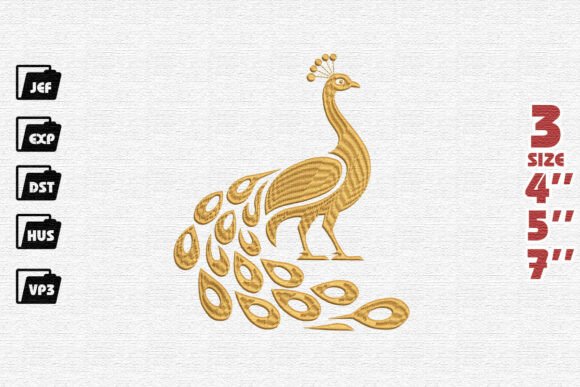
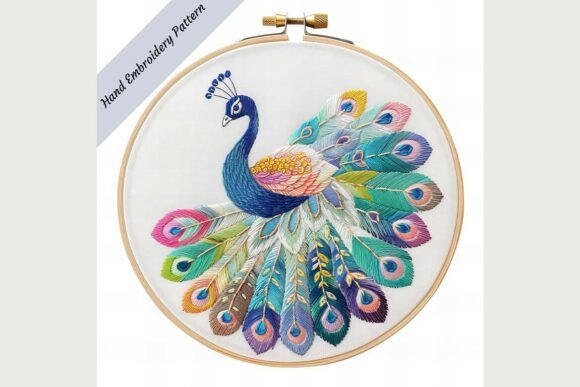
As an experienced embroidery designer preparing for a busy weekend at the local craft fair, I am constantly evaluating which designs will stop customers in their tracks. This week, I am reviewing the Peacock Hand Embroidery Pattern, Colorin. When you are standing behind a booth filled with handmade goods, visual impact is everything. Based on the product description highlighting a "Majestic Bird in Vivid Feathers," my first impression is that this design leans heavily toward the elegant and decorative side of the spectrum. It feels premium rather than rustic or minimal. For sellers looking to elevate their brand, this type of nature-inspired graphic offers a sophisticated touch that appeals to buyers seeking unique, high-quality gifts.
Visual Impact and Booth Display Strategy
The moment I pulled up the preview for Peacock Hand Embroidery Pattern, Colorin, the vivid color palette stood out. In a sea of neutral farmhouse linens and simple monograms, a burst of color is essential for drawing the eye. This design performs exceptionally well as a focal point. Imagine displaying this on a crisp white tote bag or a natural linen apron; the contrast would be striking. For craft fair sellers, the ability to create a "hero product" is crucial. This pattern has the potential to be that hero item. It is not just a small accent; it demands attention. When arranging my table, I would place items featuring this peacock design at eye level to maximize customer engagement. The majestic nature of the bird suggests a higher price point, allowing boutique makers to position these items as luxury handmade products rather than quick impulse buys.
Best Product Applications for Maximum Sales
Determining where to apply this design is key to converting browsers into buyers. Based on the complexity and vibrancy described, here is how I see Peacock Hand Embroidery Pattern, Colorin performing across various popular craft fair items:
- Tote Bags and Market Bags: This is likely the strongest application. A large, colorful peacock on the side of a canvas tote creates a fashion statement. It transforms a utility item into a wearable piece of art.
- Aprons and Tea Towels: For the kitchen section of a booth, this design adds a touch of whimsy and elegance. However, one must consider the fabric texture. On a waffle-weave tea towel, fine details might get lost, so this works best on smooth cotton or linen blends.
- Pillow Covers: Home decor is a huge category for Etsy sellers and market vendors. A peacock motif on a throw pillow cover suggests a bohemian or eclectic style, appealing to interior design enthusiasts.
- Caps and Patches: While possible, curved surfaces like caps can be tricky with detailed bird feathers. If used here, it should be simplified or placed on a flat patch that is then sewn onto the hat to ensure clarity.
- Fabric Pouches: Small pouches make excellent add-on sales. If the design scales down well without losing its "vivid" quality, it could be a perfect zipper pull or front-pocket feature.
Production Practicality and Batch Creation
For those running a small shop product line, repeatability is vital. Can you stitch ten of these in a row without frustration? The description mentions "vivid feathers," which implies a significant number of thread colors and potentially complex stitch paths. As a professional, I advise checking the stitch density before committing to a large batch. High-density areas can cause fabric puckering, especially on lighter materials like tea towels. If you are using a machine embroidery design file, ensure your stabilizer choice matches the fabric weight. For textured towels or thick canvas totes, a cut-away stabilizer is often necessary to support the weight of the colorful threads.
Photography is another critical factor for online listings. Designs with high contrast and multiple thread colors photograph beautifully for printable mockups and digital storefronts. The Peacock Hand Embroidery Pattern, Colorin should pop against neutral backgrounds, making it ideal for creating eye-catching social media content or Etsy listing images. However, be mindful of lighting; metallic or highly saturated threads can sometimes reflect oddly in photos, so test shots are essential before launching your digital embroidery file products or finished goods listings.
Critical Considerations for Quality Control
Before stitching your final inventory, there are several technical aspects to verify to ensure the finished product meets professional standards. Since specific technical data like exact stitch count or hoop size was not provided in the brief description, you must investigate these details immediately.
- Test on Scrap Fabric: Never stitch a new design directly on your saleable inventory. Run a test on the exact same fabric type you intend to sell. Check how the "vivid feathers" render on dark fabric versus light fabric.
- Thread Contrast: Ensure your thread library matches the intended look. If the design relies on subtle shading, cheap threads may result in a flat, cartoonish appearance rather than a majestic one.
- Spacing and Clarity: Inspect the design at 100% zoom. Are the tiny details of the feathers distinct, or do they blur together? Designs that lose clarity at smaller sizes are poor candidates for patches or small pouches.
- Commercial Licensing: This is non-negotiable for commercial embroidery. Confirm that the license included with this graphics asset allows you to sell finished physical products like aprons and tote bags. Do not assume; read the terms.
- Fabric Texture Compatibility: Avoid using this on highly textured fabrics like heavy bouclé or looped terry cloth unless the design is specifically digitized for those surfaces. The intricate lines of a peacock need a smooth canvas to shine.
Final Verdict for Creative Entrepreneurs
In conclusion, the Peacock Hand Embroidery Pattern, Colorin holds significant promise for embroidery business owners and handmade shop owners who want to differentiate their booth displays. Its strength lies in its bold, elegant aesthetic that commands attention. It is best utilized as a primary design element on medium-to-large surface areas like tote bags, pillow covers, and aprons. While it may require careful attention to stitch density and stabilizer selection, the visual payoff is substantial. By creating at least one real mockup and verifying all technical specifications regarding hoop size and file formats, you can confidently add this to your lineup. For the creative entrepreneur, this design represents an opportunity to blend artistic flair with commercial viability, turning a simple embroidery file into a standout craft fair product that resonates with buyers looking for beauty and quality.