Review: Heart with 5 Lines Mini Embroidery for Real Projects
As a designer who spends more time at the hoop than away from it, I approach every new digital embroidery file with a mix of curiosity and skepticism. We have all downloaded a design that looked perfect on the screen only to turn into a bird's nest of thread on the fabric. Today, I am taking a close look at the Heart with 5 Lines Mini Embroidery. This isn't just about whether it looks cute; it is about whether it holds up under the needle when you are trying to build a reputation for quality in your craft business.
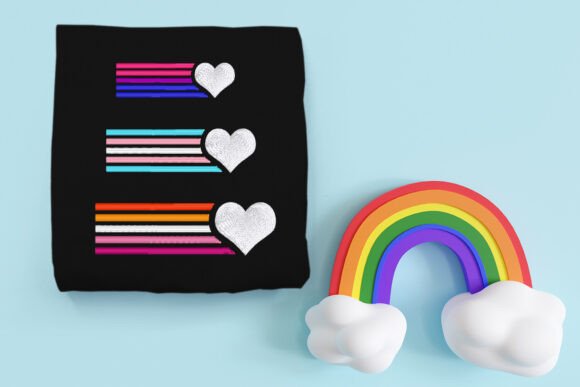
The first thing that strikes me about this design is its versatility wrapped in simplicity. The concept is straightforward: a heart outline intersected by five horizontal lines. While the default presentation often suggests a rainbow theme, the real power here lies in the ability to swap thread colors to represent various flags or awareness ribbons. For an Etsy seller or a boutique owner, this adaptability is gold. It allows you to create a cohesive product line for Pride month, heritage celebrations, or specific health Awareness campaigns without needing to source entirely new designs for each cause.
Visual Impact and Stitching Reality
When I loaded the file into my editing software, the layout felt clean. The lines are distinct, avoiding the clutter that often plagues mini designs. In the world of machine embroidery design, "mini" can sometimes mean "messy" if the stitch density is too high for the size. However, this design appears to rely on a balanced mix of running stitches for the outlines and potentially satin or narrow fill stitches for the lines, depending on how you color it. This choice is crucial. It means the design should breathe well on the fabric rather than sitting like a heavy plastic patch.
I immediately thought about how this would translate to a real-life scenario. Picture a customer ordering a custom tote bag for a local community event. They want something subtle but meaningful. Placing the Heart with 5 Lines Mini Embroidery on the corner of a canvas tote bag design creates a professional, understated look. It doesn't overpower the bag; it accents it. Similarly, for sweatshirt embroidery, placing this on the left chest area offers a polished, branded feel that rivals big-box retail quality. The scale seems appropriate for these applications, providing enough detail to be recognized from a distance without requiring a massive hoop.
Fabric Compatibility and Technical Considerations
Here is where experience matters. While the design is versatile, it is not universal. If you are planning to stitch this onto a textured waffle knit or a thick terrycloth towel, you need to proceed with caution. The five lines are relatively close together. On a high-pile fabric, the threads might sink or get lost in the loops, ruining the crisp definition of the flag or rainbow effect. For these fabric texture challenges, I would recommend using a heavier cut-away stabilizer to keep the surface flat, or perhaps avoiding those materials altogether in favor of smooth cottons or poly-blends.
Stretchy fabrics present another hurdle. If you are applying this to a fitted baby onesie or a stretchy athletic cap, the tension of the fabric pulling against the stitches post-wash could cause distortion. The heart shape is forgiving, but straight lines tend to show warping easily. My advice? Always test on scrap fabric first. Check how the design behaves after a wash cycle. For baby embroidery, ensure the back of the stitching is covered or soft enough not to irritate sensitive skin, as the density of five lines plus a heart outline can create a somewhat stiff backing if not managed correctly.
Dark fabrics require a different strategy. If you are stitching a pride flag version on a black hoodie, the contrast will be stunning, but you must ensure your underlay is sufficient to prevent the dark fabric from peeking through the colored lines. A poor underlay can make vibrant colors look dull and muddy. Conversely, on light fabrics, shadowing is less of an issue, but thread choice becomes critical to maintain visibility.
Commercial Viability and Brand Consistency
For those of us selling handmade products, consistency is key to building customer trust. The Heart with 5 Lines Mini Embroidery offers a strong potential for brand recognition. Imagine a small shop that specializes in inclusive apparel. Using this design across different items—aprons, pillow covers, tea towels—creates a visual language that customers begin to associate with your brand. It acts as a signature.
The inclusion of eight formats (DST, EXP, HUS, JEF, PEC, PES, and others) and three sizes in the zip file is a significant practical benefit. It means you aren't forced to resize the design manually, which can often corrupt stitch data and lead to breaks or gaps. Having native files for different machine brands saves time and reduces the risk of errors during production. Whether you are running a single-head machine at home or managing a multi-head setup for commercial embroidery, having the right format ready to go streamlines the workflow.
However, before listing this as a small shop product, you must verify the licensing terms. Just because a file comes in multiple formats does not automatically grant commercial rights. Always read the license agreement included with the download. Some designers allow unlimited sales of finished physical goods but restrict the resale of the digital file itself. Protecting your business from legal issues is just as important as protecting your stitch count.
Final Verdict for the Working Designer
In conclusion, the Heart with 5 Lines Mini Embroidery is a solid addition to a modern designer's library. Its strength lies in its symbolic flexibility and clean execution. It works exceptionally well for personalized gifts, holiday items, and boutique branding where subtlety is preferred over flashiness. It is particularly well-suited for embroidered patch creation, where the defined edges of the heart and lines can be easily merrowed or laser-cut.
To get the best finished product, treat this design with the respect it deserves. Do not skip the test stitch. Pay attention to your stabilizer choice based on the garment weight. Be mindful of color contrast, especially when adapting the lines for specific flags. If you navigate these technical details carefully, this design can elevate your custom apparel offerings and help you connect with customers looking for meaningful, well-crafted items. It is a reminder that sometimes, the simplest designs carry the most weight when executed with precision.