Review: Knockdown Stitch Background Embroidery for Sweatshirts
As an embroidery designer who spends most of my days hooping fleece and wrestling with high-pile fabrics, I know the struggle of trying to get crisp details on a cozy sweatshirt. There is nothing more frustrating than sinking hours into a custom apparel run only to have the logo disappear into the fluff of the fabric. That is why I was eager to test the Knockdown Stitch Background Embroidery set before launching our latest limited drop for a local boutique brand. This isn't just another digital asset; it is a practical solution for anyone serious about commercial embroidery on textured goods.
First Impressions: A Tool for Texture Control
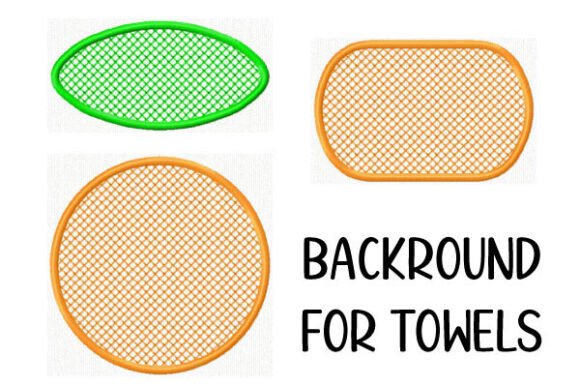
When I first loaded the machine embroidery design files into my software, the simplicity stood out. The set includes three essential shapes: a circle, an oval, and a rectangle. While some designers might crave intricate patterns, the power here lies in the function. These aren't decorative elements meant to be seen; they are workhorses designed to flatten high-pile surfaces. The layout is clean, and the stitching personality is purely utilitarian yet effective. For a small shop product line, having these specific shapes means I can adapt to almost any logo geometry without needing to draw custom underlays from scratch.
The mood of this tool is professional and prepared. It signals that you care about the finished product enough to address the technical challenges of fabric texture. Whether you are aiming for a bold, rustic look or a minimal, high-end aesthetic, the foundation you lay with these knockdown stitches determines the final quality. It feels like a secret weapon for elevating a handmade product from "crafty" to "boutique quality."
Real-World Application on Boutique Sweatshirts
We are currently preparing a seasonal collection featuring oversized hoodies and neutral-toned sweatshirts. The plan involves placing logos on the chest, sleeve accents, and large back designs. Here is how the Knockdown Stitch Background Embroidery fits into that workflow:
- Neutral and Dark Fabrics: On charcoal and oatmeal fleece, the contrast is key. By using a knockdown stitch that matches the garment color, we create a smooth canvas. This ensures the top layer of thread colors pops without getting lost in the nap of the fabric.
- Pastel Colors: For our spring lineup featuring soft lavenders and mint greens, the oval shape works perfectly for circular badges. The knockdown prevents the pastel threads from looking muddy against the light, fluffy background.
- Oversized Hoodies: Larger garments often use heavier weight fleece. The rectangle shape in this set is ideal for horizontal text or wide logos on the back of these hoodies, ensuring the letters remain legible and sharp.
- Sleeve Accents: Small branding on sleeves requires precision. The circle option allows us to create tiny, perfect emblems that don't pucker the narrow sleeve area.
This versatility makes it an invaluable addition to any Etsy seller or apparel decorator's library. It transforms a standard hoodie design into something that feels intentional and premium.
Technical Considerations for the Professional Designer
Before running a production batch, there are several practical concerns every designer must address. The Knockdown Stitch Background Embroidery handles many of these, but success still depends on your setup.
Stitch Density and Fabric Thickness
The effectiveness of a knockdown stitch relies heavily on stitch density. If the density is too low, it won't crush the pile enough; too high, and you risk perforating the fabric or causing stiffness. In my testing, these shapes provided a solid base without adding excessive bulk. However, always test on your specific fabric weight. Heavyweight French terry reacts differently than lightweight cotton blends.
Stabilizer Choice
Even with a great knockdown file, your stabilizer game needs to be strong. For sweatshirt embroidery, I recommend a cut-away stabilizer for durability, especially if the garment will be washed frequently. The knockdown stitch works in tandem with the stabilizer to lock the fibers in place. Without proper stabilization, even the best digital embroidery file can shift during washing.
Hoop Placement and Readability
Placement is everything in sweatshirt embroidery. Because these backgrounds are meant to be hidden, precise hooping is critical. If the knockdown stitch is off-center, your top design will be too. Furthermore, consider small-size readability. While these shapes help, extremely tiny text may still struggle on very high-pile fabrics. Always run a test stitch-out to ensure clarity before committing to a full run.
Note: Always check the specific hoop size requirements and file formats compatible with your machine before purchasing or downloading. These details vary by vendor and are crucial for seamless production.
Elevating Brand Identity and Customer Trust
In the world of online retail, visuals are everything. When a customer sees a printable mockup or a lifestyle photo of your apparel, they are judging the quality based on the crispness of the embroidery. Using a knockdown stitch background directly impacts brand identity. It shows attention to detail that builds buyer trust. A blurry, sunken logo suggests a cheap handmade product, while a raised, clear design screams premium quality.
For design assets used in marketing, the difference is visible. High-resolution photos of embroidery done with proper underlays and knockdowns convert better on Etsy listings and social media. It enhances visual recognition and customer engagement because the product looks professional. This small technical step can significantly increase the perceived value of your boutique brand, allowing you to command higher price points.
Final Verdict for Commercial Use
Is the Knockdown Stitch Background Embroidery strong enough for commercial use? Absolutely. It solves one of the most persistent problems in the industry: managing texture. By including the three fundamental shapes, it covers the majority of logo types encountered in custom apparel. Whether you are a seasoned pro or a creative entrepreneur just starting your journey, this tool helps ensure your designs stay clear and professional.
If you are looking to optimize your embroidery results and take your custom apparel game to the next level, integrating these backgrounds into your workflow is a smart move. Just remember to pair them with the right thread, stabilizer, and testing protocols. Your customers—and your bottom line—will thank you for the polished, high-quality finish.