Review: USA Embroidery Design File for 4th of July Projects
As a designer who spends more time staring at stitch maps than most people care to admit, I approach every new machine embroidery design with a mix of curiosity and skepticism. We have all seen the flood of patriotic graphics that hit the market every June, but finding one that translates well from a pixelated preview to actual thread on fabric is a different challenge entirely. Recently, I took a close look at the USA Embroidery Design File. 4th of July, specifically evaluating its potential for real-world application in my shop and for client projects. This isn't just about whether it looks cute on a screen; it is about whether it holds up under the needle.
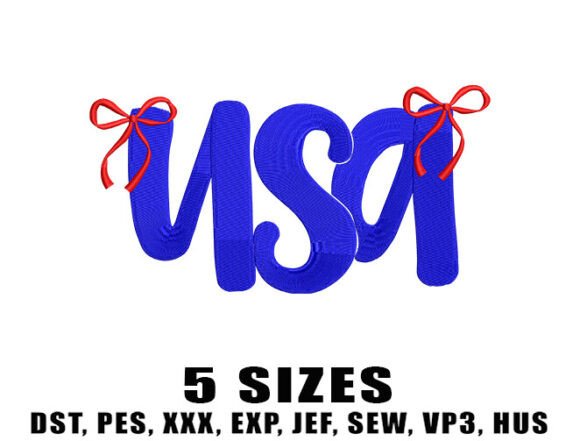
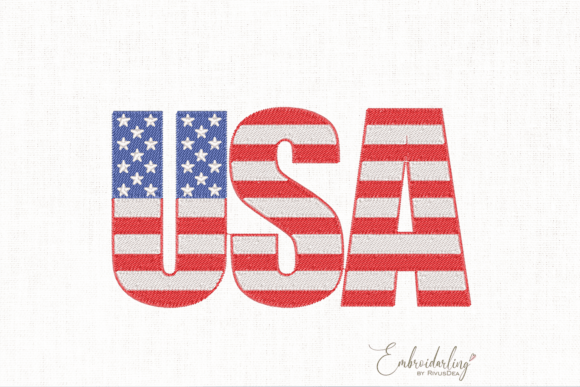
The first thing that strikes you about this embroidery file is its visual personality. It leans heavily into a retro aesthetic, utilizing classic "USA" lettering filled with stars and stripes rather than relying on a standard flag icon alone. This approach creates a mood that feels nostalgic yet fresh, perfect for the current trend of vintage-inspired Americana. The layout is bold, which immediately suggests it belongs on larger surface areas where the details of the star fill and stripe flow can be appreciated without crowding. For an Independence Day collection, this kind of thematic clarity is essential. It speaks the language of the holiday without feeling generic.
Real-World Application: The Tote Bag Test
To truly gauge the value of this design, I imagined a specific scenario: preparing a run of custom tote bags for a local boutique's summer sale. Tote bags are a staple for Etsy sellers and craft fair vendors because they offer a large, flat canvas. When I visualized the USA Embroidery Design File. 4th of July centered on a heavy cotton canvas bag, the proportions felt right. The blocky nature of the letters provides a solid anchor, while the internal detailing adds enough texture to make the handmade product feel premium.
However, the devil is always in the details. Because the letters are filled with patterns, the stitch density becomes a critical factor. In a real stitching situation, high-density areas can cause fabric puckering if not managed correctly. For a project like this, I would strongly advise using a cut-away stabilizer rather than a tear-away. The weight of the thread required to create those stars and stripes needs permanent support to ensure the finished product maintains its shape after multiple washes. If you are planning to use this on a thinner fabric, like a tea towel or a lightweight shirt, you must test it on scrap fabric first. The density might be too aggressive for delicate materials, leading to distortion around the edges of the letters.
Versatility Across Custom Apparel and Decor
Beyond tote bags, this design has strong potential for custom apparel. Imagine this stitched onto the chest of a heavyweight sweatshirt or a structured cap. The retro vibe pairs exceptionally well with heather grey or navy blue garments, allowing the red, white, and blue thread colors to pop without clashing. For sweatshirt embroidery, the texture of the fleece can sometimes hide fine details, but the bold lines of this USA motif should remain clear.
I also considered its use in home decor, such as pillow covers or kitchen linens. For a personalized gift aimed at a veteran or a family celebrating their first Fourth of July together, this design carries enough emotional weight to be meaningful. However, when moving to curved surfaces like caps, caution is required. The horizontal flow of the stripes within the letters might distort if the hoop tension isn't perfectly calibrated on a curved hat frame. It is best suited for flat applications or very slightly curved surfaces where the design won't have to stretch over a severe radius.
Critical Considerations for Commercial Use
If you are an Etsy seller or run a small shop product line, consistency is key to building brand trust. This digital embroidery file offers a level of professionalism that can elevate your listings. A crisp, well-digitized design signals to the buyer that the item is high-quality. However, before listing this as a commercial embroidery asset, you need to verify the licensing terms provided by the creator. Some files are for personal use only, while others allow unlimited sales of finished physical goods. Never assume; always check the documentation to protect your craft business.
There are specific scenarios where you should use this design carefully. If you are working with dark fabrics, ensure you have a plan for underlay stitching. Without proper underlay, the lighter threads in the stars might let the dark fabric show through, ruining the contrast. Similarly, if you are creating an embroidered patch, the dense fill stitches are actually a benefit, providing the stiffness and coverage needed for a standalone badge. But for baby clothes, I would hesitate. The fill stitch texture might be too rough against sensitive skin, and the sheer volume of thread could make the garment stiff and uncomfortable for an infant. In those cases, a simpler outline or an applique design version might be safer, though this specific file appears to be a full fill.
Final Verdict on Visual Appeal and Clarity
The strength of the USA Embroidery Design File. 4th of July lies in its balance of detail and readability. From a distance, it reads clearly as a patriotic statement. Up close, the intricate star and stripe fills reward the viewer with craftsmanship. This duality enhances the perceived value of the item. Whether you are creating holiday embroidery for a seasonal drop or adding a touch of national pride to everyday wear, this design delivers.
Before committing to a large production run, I recommend creating printable mockups to see how the design scales. Does it work as a small pocket logo, or does it demand center-chest real estate? Based on the complexity of the internal fills, I suspect it performs best at medium to large sizes. Tiny scaling might merge the stars into a muddy blob, losing the charm of the retro style. Also, test the design in black and white mockups to ensure the contrast holds up even without color reliance; this is a good trick to check if the running stitch outlines and satin stitch borders are defining the shape effectively.
In conclusion, this file is a robust addition to any designer's library, provided it is matched with the right fabric and stabilizer combination. It avoids the trap of being overly simplistic while remaining recognizable. For makers looking to produce standout Veterans Day merchandise or festive summer gear, this design offers a solid foundation. Just remember to respect the technical limits of your machine and fabric, and always prioritize a test stitch to ensure the final result matches your vision.