Teddy Bear Love Embroidery Design: A Pro Review
When I first pulled up the Teddy Bear Love Embroidery Design on my digitizing screen, my immediate reaction was one of warmth. In an industry often obsessed with hyper-realistic shading or complex, thousand-color landscapes, there is something refreshing about a design that leans into simplicity and emotional connection. As a designer who spends hours tweaking stitch paths and testing tension on various fabrics, I look for files that not only look good on the monitor but translate flawlessly to the hoop. This particular file, categorized under Teddy Bears, promises to help create romantic and original gifts, specifically targeting Valentine's Day markets. But does it hold up under the needle for a professional craft business? Let's break down how this design performs in real-world scenarios.
First Impressions and Visual Personality
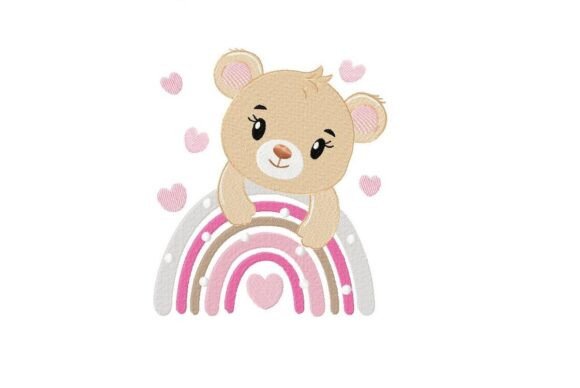
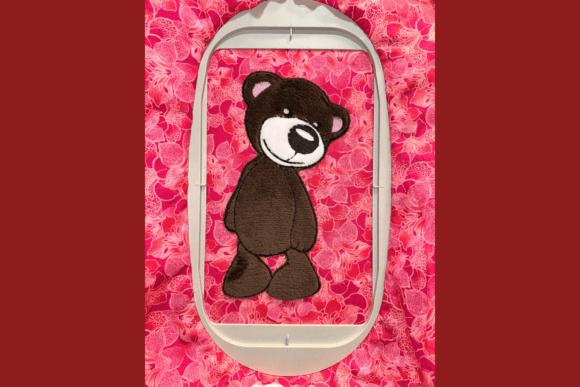
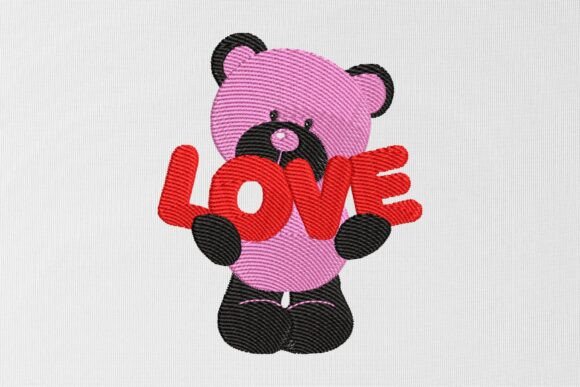
The visual personality of the Teddy Bear Love Embroidery Design is undeniably cute and approachable. The layout suggests a classic teddy bear motif, likely incorporating hearts or affectionate gestures given the "Love" title and the product description's focus on romance. For an embroidery project intended for boutique branding or handmade products, the mood is critical. This design exudes a soft, nostalgic vibe that works exceptionally well for baby embroidery, nursery decor, or sentimental holiday gifts.
From a technical standpoint, the shape and theme appear versatile. Whether you are aiming for a satin stitch outline to give it a crisp, cartoon-like finish or a fill stitch approach for a softer, plush texture, the core concept relies on clear silhouettes. This is crucial for small shop products where readability from a distance matters. If the details are too fine, they get lost on a textured towel; if they are too blocky, they lose charm. Based on the description, this design seems balanced for general use, making it a strong candidate for those looking to expand their catalog of personalized gifts without overcomplicating their production workflow.
Real-World Application: The Valentine's Tote Bag Test
To truly evaluate a digital embroidery file, I imagine it in a specific client scenario. Let's say a customer orders a custom embroidered tote bag for a Valentine's Day gift exchange. They want something unique, not just a generic store-bought card. Here, the Teddy Bear Love Embroidery Design shines. Placed centrally on a canvas tote, the design acts as the focal point. Because tote bags often have a slightly rougher fabric texture, a design with solid areas and defined edges performs better than one with tiny, scattered running stitches.
In this context, the design adds significant value to the finished product. It transforms a plain $5 bag into a $25 handmade item. For an Etsy seller or creative entrepreneur, this translation of value is key. The design's theme fits perfectly with the season, yet because it features a teddy bear, it has longevity beyond February 14th. It could easily transition into a baby shower gift or a "just because" present for a child. The versatility ensures that your inventory of design assets remains useful year-round, maximizing your return on investment.
Performance on Custom Apparel and Textiles
Moving beyond tote bags, let's consider sweatshirt embroidery. This is a high-demand category for small businesses. Applying this design to a fleece-lined hoodie requires attention to stitch density. If the design is too dense, it can cause the fabric to pucker or feel stiff against the skin. However, teddy bear motifs usually lend themselves well to slightly looser fills or strategic satin borders that allow the fabric to breathe. On a dark-colored sweatshirt, ensuring high contrast with your thread colors is vital. A light brown or cream bear against a navy or charcoal background creates a striking visual that boosts buyer engagement.
For baby clothes, the stakes are higher regarding comfort and durability. The Teddy Bear Love Embroidery Design would be adorable on a onesie or a burp cloth, provided the backing stabilizer is chosen correctly. Tear-away stabilizers might leave residue on delicate knits, so a cut-away mesh is often safer for items that will undergo frequent washing. The design's potential as a personalized gift increases when paired with a name or date, though one must be cautious about adding tiny lettering near the bear if the hoop size is limited.
Technical Considerations and Fabric Challenges
No embroidery file is universal, and practical design judgment requires knowing where to exercise caution. With the Teddy Bear Love Embroidery Design, you need to be mindful of curved surfaces like caps. Embroidering a detailed bear on the front panel of a baseball cap can be tricky if the design width exceeds the available flat space or if the stitch direction fights the curve of the brim. Always check the dimensions of the embroidery file against your specific hoop size before committing to a cap project.
Additionally, consider the fabric texture. While the description states it can be embroidered on "any fabric," experienced decorators know that looped towels or highly stretchy jerseys require different approaches. On a kitchen towel, a dense fill stitch might pull the loops, distorting the image. In such cases, verifying if an applique design version exists or adjusting the stitch density in your software could save a batch of ruined goods. Similarly, for dark fabrics, ensure the design includes an underlay structure that prevents the background color from peeking through the lighter thread colors of the bear.
Enhancing Brand Consistency and Professionalism
For commercial embroidery projects, consistency is trust. If you are using this design across a line of products—say, matching pillow covers and tea towels—the output must look identical in quality. The Teddy Bear Love Embroidery Design offers a consistent visual anchor that helps build brand recognition. When customers see that specific bear, they should associate it with the quality of your handmade product. Poor stitching, skipped stitches, or bad color choices can erode that trust instantly.
To maintain professionalism, always test the design on scrap fabric first. Check how the thread colors blend in natural light versus studio lighting, especially if you are creating printable mockups for your online store. A design that looks vibrant on-screen might appear muddy if the thread contrast is off. Furthermore, inspect small details like the eyes or nose of the bear; these are often the first places where registration errors show up. Ensuring these elements are crisp reinforces the perception of a high-end, boutique item.
Final Verdict for Craft Entrepreneurs
The Teddy Bear Love Embroidery Design is a solid addition to any library focused on gifts, holidays, and children's items. Its strength lies in its emotional appeal and adaptability across various mediums, from custom apparel to home decor. However, success depends on the maker's attention to detail. Before selling finished items or listing this as a digital product, confirm the licensing terms. Some files are for personal use only, while others allow commercial application. Understanding these boundaries protects your craft business from legal issues.
Ultimately, this design serves as a reliable tool for creating memorable, heartfelt products. Whether you are an experienced decorator or a hobbyist looking to sell at a local craft fair, this file provides a strong foundation. Just remember to respect the materials, choose the right stabilizer, and let the charm of the teddy bear do the heavy lifting in connecting with your customers.