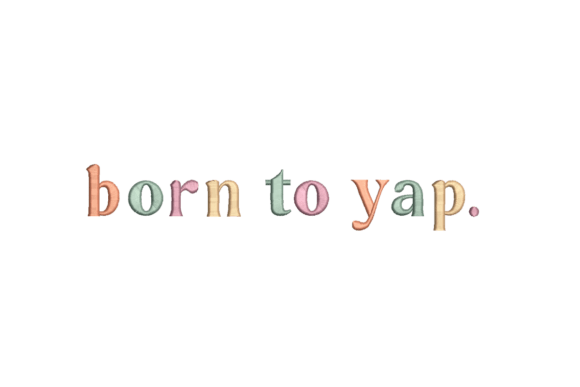
Born to Yap Embroidery Design: A Designer's Review
As an embroidery designer who spends countless hours digitizing and stitching for clients, I am always on the lookout for machine embroidery design files that offer both personality and technical reliability. Recently, I came across the Born to Yap Embroidery Design on Creative Fabrica. With the growing trend of pet-themed apparel and home decor, a design with this kind of playful messaging has significant potential for commercial embroidery projects. However, before committing to a customer order, it is crucial to evaluate how a file performs under real-world conditions. This review breaks down the visual appeal, practical application, and technical considerations of using this specific embroidery file in your handmade business.
Visual Mood and First Impressions
The first thing that strikes me about the Born to Yap Embroidery Design is its inherent charm. The phrase itself suggests a lighthearted, fun vibe that resonates well with dog lovers and pet owners. Visually, designs in this category often rely on a mix of typography and illustrative elements to convey their message effectively. For a project falling under the broader umbrella of lifestyle or even whimsical Religion-adjacent themes regarding stewardship of animals, the tone is perfect for adding a touch of flair to everyday items.
When reviewing the preview images, the design appears to have a balanced composition. It looks like it would translate well into a satin stitch for the lettering to ensure crisp edges, potentially paired with a fill stitch for any accompanying graphics like paw prints or bone motifs. The decorative appeal here is strong; it feels less like a generic clipart image and more like a custom-drafted piece intended for custom apparel. For Etsy sellers and boutique owners, this kind of "personality-driven" art is gold because it speaks directly to a niche audience without needing excessive customization.
Real-World Application Scenarios
In my shop, I am constantly evaluating which products will yield the best return on investment for a new design. The Born to Yap Embroidery Design is versatile enough to fit several high-demand categories. Here is how I envision deploying this file:
- Tote Bag Design: Canvas totes are a staple for craft fairs. This design would look fantastic centered on a natural or black canvas bag, appealing to customers walking their dogs.
- Sweatshirt Embroidery: Crewnecks and hoodies are top sellers in the fall and winter. Placing this on the left chest or as a large back graphic creates an instant bestseller.
- Kitchen Towels and Aprons: As mentioned in the product description, transforming fabrics for home decor is a key use case. A flour sack towel with this witty phrase makes an excellent personalized gift.
- Embroidered Patch: If the file allows for a merrowed edge or a simple running stitch border, this could be adapted into an iron-on patch, expanding your product line significantly.
- Nursery Decor: For clients expecting a new baby into a family of pet lovers, this works beautifully on pillow covers or nursery wall hangings.
For those selling digital embroidery file assets, offering this as part of a bundle could increase the perceived value of your shop. Furthermore, creating a printable mockup using this design for social media marketing can drive engagement before you even stitch a single thread.
Technical Considerations for Professional Results
While the aesthetic is promising, a professional embroiderer knows that the devil is in the details. Before loading the Born to Yap Embroidery Design onto your machine for a paid client order, there are several technical factors to assess to ensure the finished product meets high standards.
Fabric Compatibility and Stabilization
The success of any stitch-out depends heavily on the substrate. If you are stitching on a stretchy fabric like a tri-blend t-shirt, you must use a high-quality cutaway stabilizer to prevent distortion over time. Conversely, for woven items like towels or aprons, a tear-away might suffice, but given the likely density of the text, I would still lean towards a lightweight cutaway for durability. Dark fabrics present another challenge; you must check the thread colors recommended in the file. If the design relies on light threads against a dark background, ensure there is an underlay stitch specified to prevent the fabric color from bleeding through and dulling the vibrancy.
Hoop Size and Layout
One critical check is the hoop size requirement. Some intricate designs require a larger hoop to accommodate the full width of the text or graphics. If you plan to stitch this on a cap, verify that the design fits within the constraints of a cap frame and that the curvature of the hat will not distort the lettering. Small hoop sizes can sometimes limit your placement options on larger garments like sweatshirts, so planning your layout on a printable mockup first is a wise move.
Stitch Density and Detail
Text-based designs can be tricky if the letters are too small or the stitch density is too high, leading to bird nesting or thread breaks. It is essential to inspect the small details after a test run. If the design includes tiny elements, consider whether they will hold up after frequent washing. A running stitch outline might be delicate, whereas a satin column provides more coverage and durability. Always run a test on scrap fabric identical to your final material to gauge how the machine handles the transitions between color stops.
Enhancing Product Value and Brand Trust
Using high-quality Creative Fabrica embroidery assets like the Born to Yap Embroidery Design can significantly impact your brand perception. When a customer receives a item with clean, crisp stitching and a relevant, trendy message, it builds trust. It shows that you curate your design assets carefully and care about the end user's experience. This attention to detail translates to higher buyer retention and positive reviews.
Moreover, consistency is key for handmade shop owners. If this design fits your brand's visual language—perhaps you specialize in quirky, pet-loving goods—it reinforces your brand identity. High-quality presentation in your product photography, showcasing the texture of the stitches and the quality of the garment, will further elevate the perceived value of the item, allowing you to command a fair price for your labor and materials.
Final Verdict and Best Practices
The Born to Yap Embroidery Design offers a delightful blend of humor and style that fits perfectly into the current market for pet-centric goods. Its potential applications range from custom apparel to home accents, making it a flexible addition to any designer's library. However, as with any digital purchase, due diligence is required.
Before launching a full production run, I strongly advise you to:
- Test on scrap fabric: Never skip this step, especially when trying a new vendor or file type.
- Check thread contrast: Ensure your chosen thread palette pops against your selected fabric color.
- Review stitch density: Look for areas that might be too dense for lightweight fabrics.
- Confirm licensing: Always read the license terms on the Creative Fabrica product page to ensure you are compliant for commercial use, especially if selling finished physical goods.
- Verify file formats: Ensure the download includes the specific format compatible with your embroidery machine.
By taking these precautions, you can confidently integrate the Born to Yap Embroidery Design into your workflow, creating beautiful, durable, and sellable items that your customers will love. Whether you are decorating a single tote bag for a friend or fulfilling a bulk order for a boutique, this design has the charm and versatility to make your project a success.