Review: Religious Cross Embroidery Design for Business
As an embroidery designer who has spent years digitizing and reviewing files for commercial use, I approach every new machine embroidery design with a critical eye. It is not just about whether a pattern looks pretty on a screen; it is about how that digital embroidery file translates into a tangible asset for a small business. Today, I am taking a close look at the Religious Cross Embroidery Design. While the product description hints at creating "romantic and original gifts" for Valentine's Day, my focus is strictly on its viability for branded merchandise, staff uniforms, and professional applications.
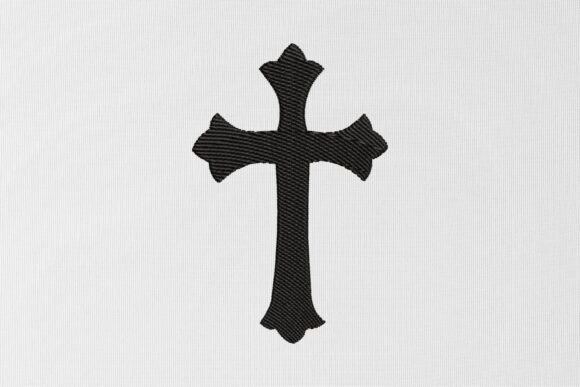
When I first loaded this design into my software, my initial impression was one of classic elegance mixed with a handmade charm. The lines are clean, suggesting a vector-based origin that usually translates well into stitches. However, the description mentions embroidering on "any fabric that needs some love," which is a red flag for a professional. In the world of commercial embroidery, fabric choice is everything. A design that works on a soft cotton tote might fail miserably on a structured cap or a performance polo. For small business owners, especially those in the Religion niche or boutique sectors, understanding these limitations is crucial before investing in inventory.
Evaluating Visual Personality and Brand Fit
The visual personality of the Religious Cross Embroidery Design leans towards the traditional yet accessible. It does not scream "corporate sterile," nor is it overly rustic to the point of looking unfinished. This balance makes it an excellent candidate for businesses that want to project warmth and trust. Imagine a local bakery, a florist, or a faith-based bookstore looking to upgrade their brand identity. Placing this cross on an apron or a tote bag instantly communicates values without needing words.
For Etsy sellers and crafters, this design offers versatility. It can serve as the centerpiece of a handmade product, such as a christening blanket or a memorial pillow, but its simplicity also allows it to function as a subtle logo accent. If you are running a creative studio, using this motif on packaging accents or hang tags can elevate the perceived value of your goods. The key here is consistency. If your brand uses serif fonts and earth tones, this design likely complements that aesthetic perfectly. However, if your brand is ultra-modern and neon, you might need to adjust the thread colors significantly to maintain visual cohesion.
Real-World Applications for Small Business Merch
Let's discuss where this design actually shines in a real-world scenario. The most obvious application is the embroidered patch. Patches are trending heavily in small business merch right now because they are versatile. You can iron them onto jackets, sew them onto bags, or sell them as standalone collectibles. Given the symbolic nature of the cross, a high-quality patch could be a best-seller for churches, youth groups, or faith-based apparel brands.
Beyond patches, consider custom apparel for staff. A café owner might want to embroider this design on the chest pocket of a work shirt or the front of a denim apron. The apron embroidery application is particularly strong for businesses that want to highlight their ethical or spiritual foundations. Similarly, cap embroidery is a viable route, though it requires careful attention to curvature. A cross design centered on a baseball cap can look very professional if the digitizing accounts for the curve of the brim.
For retail environments, think about tote bag design. Tote bags are walking billboards. If a boutique includes a free tote with a purchase featuring this elegant cross, it reinforces brand recognition every time the customer leaves the house. It turns a simple transaction into a statement of identity. Furthermore, for event merch—such as retreats, conferences, or community gatherings—this design serves as a unifying symbol that attendees are proud to wear.
Critical Considerations for Production
While the potential is high, there are areas where the Religious Cross Embroidery Design requires caution. The product description suggests it can go on "any fabric," but experienced designers know better. You must evaluate the stitch density. If the design is too dense, it will cause puckering on lightweight fabrics like linen or thin cotton. Conversely, if the density is too low, the backing material might show through on dark uniforms, ruining the finished product.
Small patch sizes are another risk area. If you intend to shrink this design for a sleeve detail or a collar tag, you must ensure the details do not merge. Tiny lettering often accompanies religious symbols; if this design includes scripture or dates, verify that the font remains legible at smaller scales. Textured fabric also poses a challenge. Towels or coarse canvas can distort fine lines, so a test run is non-negotiable.
Additionally, consider the washing requirements. Items like aprons and work shirts undergo frequent laundering. If the design relies on satin stitches with long runs, they may snag or fray over time. A fill stitch or a tighter column stitch might be more durable for high-wear items. Always check if the design has been optimized for stretchy materials if you plan to use it on polos or t-shirts.
Designer Notes for Professional Results
To ensure success with this embroidery file, I recommend following a strict testing protocol. First, stitch it out in black and white. This removes the distraction of color and lets you see the structural integrity of the design. Does the shape hold up? Are there gaps? Next, review the spacing between elements. Tight spacing can lead to thread breaks or bird nests underneath the hoop.
You must also confirm the hoop size required. While many modern machines handle large hoops, some older models or specific cap frames have limitations. Never assume the file fits your equipment without checking the dimensions. Equally important is the stabilizer. For a design intended for patches or heavy-use items, a cut-away stabilizer is often superior to tear-away, providing lasting support that prevents distortion after multiple washes.
Before selling or deploying this design commercially, create a printable mockup for client approval. Show them how the Religious Cross Embroidery Design looks on a dark navy shirt versus a cream tote. Compare it beside other design assets in your portfolio to ensure it doesn't clash. Finally, and perhaps most importantly, verify the licensing terms. The description mentions "gifts," but does it explicitly allow for commercial embroidery sales? Never assume a file is free for resale; always read the fine print to protect your business from legal issues.
In conclusion, the Religious Cross Embroidery Design holds significant promise for small business owners looking to add depth and meaning to their merchandise. Whether used for brand identity on uniforms, as a standout feature on an embroidered patch, or as a thoughtful addition to a handmade product, its success lies in proper execution. By respecting the limitations of fabric, understanding stitch dynamics, and rigorously testing the output, you can transform a simple digital file into a powerful tool for customer engagement and brand loyalty.