Bunny Easter Day Embroidery: A Designer's Review
As an embroidery designer who spends countless hours digitizing and stitching for clients, I approach every new machine embroidery design with a critical eye. It is not just about whether a file looks cute on a screen; it is about how it performs under the needle, how it wears after washing, and whether it adds genuine value to a handmade product. Recently, I evaluated the Bunny Easter Day Embroidery available on Creative Fabrica to determine if it is suitable for real-world commercial projects and seasonal gift lines.
First Impressions and Visual Mood
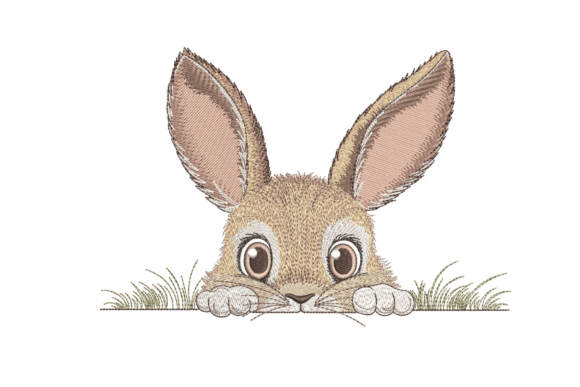
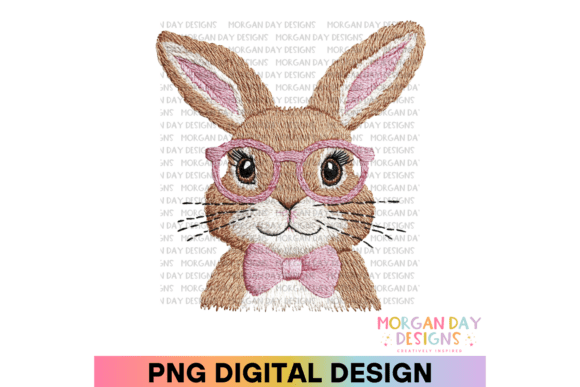
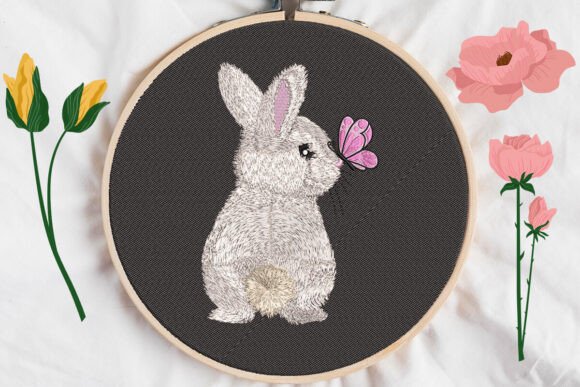
Upon opening the preview files for Bunny Easter Day Embroidery, the immediate impression is one of playful charm. The design captures the essence of the season without relying on overly complex details that often cause stitching issues. The visual mood is soft and inviting, making it an ideal candidate for spring-themed collections. For designers looking to expand their design assets for the upcoming holiday, this piece offers a balanced aesthetic that appeals to both children and adults.
The level of detail suggests a thoughtful approach to digitizing. It avoids the trap of being too sparse, which can look amateurish, while steering clear of excessive density that leads to puckering. The character of the bunny feels friendly and approachable, a crucial element when creating items intended as personalized gifts or boutique merchandise. Whether you are stocking up for an Etsy shop or preparing for a local craft fair, the decorative appeal of this design fits naturally into a wide range of product categories.
Performance in Real Embroidery Projects
When considering where to apply this embroidery file, versatility is key. I envision this design working exceptionally well on custom apparel such as toddler t-shirts and family matching sets. The scale appears appropriate for chest pockets on adult sweatshirt embroidery projects or as a central motif on baby onesies. Beyond clothing, the design translates beautifully to home goods. Imagine this bunny stitched onto a linen tote bag design for grocery runs or beach days; the festive nature elevates a simple bag into a seasonal statement piece.
For those running a small business, the potential applications extend to kitchen textiles like aprons and tea towels, which are high-volume sellers during the holidays. It would also make a delightful addition to nursery decor, such as pillow covers or wall hangings. If you are selling commercial embroidery services, offering this as an add-on for cap customization or as a standalone embroidered patch could significantly boost your average order value. The design's clean lines ensure that it remains legible and attractive even when viewed in product photography or printable mockups used for online listings.
Navigating Technical Challenges
While the design is promising, practical execution requires attention to technical details. One must carefully consider the hoop size required. If you are working with smaller hoops, such as those found on compact home machines, you need to verify that the design fits without requiring re-hooping, which can lead to alignment errors. Additionally, pay close attention to any tiny lettering that might accompany the bunny graphic; small text often requires precise tension settings to remain readable.
Stitch density is another critical factor. Dense areas, particularly if the design utilizes significant fill stitch work, can cause fabric distortion if not managed correctly. When stitching on textured fabrics like waffle weave towels or thick terrycloth, the needle penetration must be monitored to prevent skipped stitches. Conversely, when working on stretchy fabrics like jersey knits for t-shirts, using the correct stabilizer is non-negotiable. A cut-away stabilizer is often safer than tear-away for garments that will undergo frequent washing, ensuring the finished product maintains its shape over time.
Dark fabric presents its own set of challenges. If you plan to stitch this on navy or black garments, you must evaluate the thread colors specified in the design. You may need to manually adjust the color sequence to include an underlay or backing to prevent the dark fabric from showing through lighter thread sections. Furthermore, curved surfaces like baseball caps require specific framing techniques; ensure the design does not have elements that extend too close to the edge, which could be lost in the curve of the cap's front panel.
Impact on Product Value and Brand Perception
In the competitive world of handmade goods, the quality of your embellishments directly influences buyer trust. Using a high-quality Creative Fabrica embroidery design like Bunny Easter Day Embroidery signals professionalism. Customers can instinctively tell the difference between a poorly digitized image and a refined stitch pattern. A clean, well-executed bunny motif enhances the perceived value of a simple tote bag or pillow, allowing you to command a higher price point.
Consistency in your brand presentation is vital. If your shop specializes in whimsical, high-quality seasonal items, this design aligns perfectly with that identity. It contributes to a cohesive look across your Etsy listings and social media channels. Moreover, the "giftability" of an item is often determined by its visual appeal. A beautifully embroidered bunny makes a product feel special and thoughtful, increasing the likelihood of customer engagement and repeat purchases. When customers see a pristine satin stitch outline and smooth fills, they associate that quality with your brand as a whole.
Essential Pre-Production Notes
Before committing to a full production run, always adhere to strict testing protocols. Start by stitching the design on a scrap piece of the exact fabric you intend to use for the final product. This test run allows you to check thread color contrast and verify that the stitch density does not cause puckering. Inspect small details closely after the test stitch; look for any thread breaks or areas where the bobbin thread might be pulling to the top.
It is also prudent to compare how the design looks on both light and dark fabric mockups before finalizing your inventory list. Ensure you are using the proper stabilizer for each fabric type to guarantee durability. Finally, and perhaps most importantly, always confirm the file details and licensing terms on the Creative Fabrica product page before selling finished items. While the description notes that the design comes with multiple embroidery file formats, specific hoop requirements, stitch counts, and commercial license limitations are not always visible in the summary. Verifying these details ensures you are fully compliant and prepared for a successful launch.
In conclusion, Bunny Easter Day Embroidery presents itself as a versatile and charming option for designers seeking to refresh their seasonal offerings. With careful attention to materials and machine settings, it has the potential to become a staple in your library of digital embroidery file resources, driving sales and delighting customers alike.