Egg Applique Embroidery Design Review for Craft Fairs
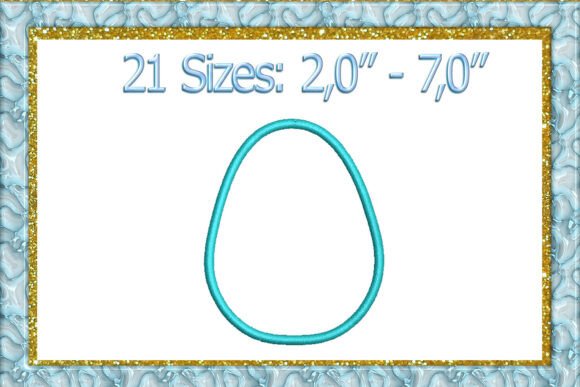
As an embroidery designer preparing for the upcoming weekend craft fair circuit, my table strategy is everything. I am not just stitching; I am curating a collection that needs to stop scrolling thumbs online and halt walking feet in person. This season, I am evaluating the Egg Applique Embroidery Design to see if it earns a spot on my hoop. For Etsy sellers, boutique makers, and creative entrepreneurs, the difference between a design that sits on the shelf and one that flies off the table often comes down to visual impact and production practicality. Let's break down how this specific machine embroidery design performs when turned into real-world handmade products.
First Impressions and Seasonal Appeal
When I first loaded the Egg Applique Embroidery Design onto my screen, the immediate vibe was undeniably festive yet versatile. Unlike some holiday designs that scream "novelty" and limit their lifespan to a single week, this applique style offers a charming, farmhouse aesthetic that feels premium rather than childish. The concept of an egg motif naturally aligns with Easter, but the execution determines its longevity. Does it look like a cartoon, or does it look like art? In this case, the applique technique suggests texture and depth, which is crucial for a craft fair product. Customers at markets love to touch items; they want to feel the layers of fabric and the quality of the stitching. A flat satin stitch can sometimes look cheap from a distance, but a well-executed applique adds a tactile element that justifies a higher price point for your small shop product.
Product Versatility for Market Tables
The true test of any digital embroidery file is how well it translates across different substrates. I imagined setting up my booth with a variety of goods, and here is where the Egg Applique Embroidery Design shines.
- Tote Bags and Market Bags: This is likely the strongest contender. A large-scale version of this design on a natural canvas tote creates an instant tote bag design that shoppers want to carry home. The contrast of colorful egg fabrics against neutral canvas is visually striking.
- Aprons and Tea Towels: For the kitchen crowd, apron embroidery and tea towel embroidery are staples. Placing this design on the bib of an apron or the corner of a linen towel adds a touch of seasonal whimsy without overwhelming the utility of the item.
- Patches and Caps: If you offer custom gear, turning this into an embroided patch allows customers to buy a low-cost add-on. However, applying it to a curved cap surface requires careful attention to the hoop size and placement to avoid distortion.
- Pillow Covers and Pouches: These make excellent impulse buys. A small pouch with this design serves as a perfect gift basket stuffer, while a pillow cover elevates home decor offerings.
The ability to scale this design makes it a powerful asset. It works as a large focal point on a tote or a subtle accent on a pocket. For online listings, this versatility means you can create multiple printable mockups from a single design asset, maximizing your marketing efforts without needing new files.
Production Realities and Stitch Quality
From a production standpoint, time is money. When prepping for a fair, I need designs that are repeatable for batch production. The Egg Applique Embroidery Design generally streamlines the process because applique covers large areas with fabric rather than thousands of stitches. However, there are critical factors to consider regarding stitch density and clarity.
If the design includes tiny details or intricate borders around the egg shape, these might get lost on textured fabrics like waffle-weave towels or thick terrycloth. I always advise testing the design on scrap fabric first. Check how the thread colors pop against your chosen material. Dark fabrics can swallow up darker thread shades, so high contrast is key. Furthermore, ensure your stabilizer choice matches the fabric weight; a heavy cut-away might be necessary for stretchy knits to prevent the egg shape from warping after washing.
One common pitfall with applique is the raw edge finish. Depending on the specific file instructions included in the machine embroidery design, you may need to decide between a satin stitch border, a blanket stitch, or a raw-edge look. Each offers a different aesthetic. A clean satin border feels more traditional and polished, suitable for heirloom-quality gifts, while a raw edge leans into the modern rustic trend. Make sure the file you purchase supports the finish you intend to use.
Selling Strategy and Customer Engagement
How does this design affect buyer engagement? In a crowded marketplace, visual appeal drives sales. The Egg Applique Embroidery Design acts as a beacon of spring. It signals freshness and renewal, emotions that resonate strongly with buyers during the early year months. When displayed correctly—perhaps grouped by color story on a tiered stand—it creates a cohesive brand look. Consistency in your finished product line builds trust; customers recognize your style and associate it with quality.
For the Etsy seller or digital creator, photography is paramount. Applique designs photograph beautifully because the shadows created by the fabric layers add dimension even in 2D images. Use natural light to highlight the texture of the egg fabric against the base material. Create listings that show the design in context: a tote bag filled with flowers, an apron tied around a mannequin, or a tea towel draped over a rustic chair. These lifestyle shots help the customer visualize the handmade product in their own home.
Essential Designer Notes for Success
Before committing to a full production run, keep these practical tips in mind to ensure your commercial embroidery efforts yield profit:
- Verify File Compatibility: The description notes multiple formats, but always confirm the specific embroidery file types match your machine before the rush begins.
- Check Licensing Terms: Ensure the license allows for selling finished physical goods. Some designers restrict the number of items you can sell, while others offer unlimited commercial use.
- Mind the Size: If shrinking the design for small pouches or tags, ensure the stitch density does not become too tight, which can cause puckering, or too loose, losing definition.
- Fabric Selection: Avoid using this on fabrics with a very loose weave unless you use a heavy topping stabilizer, as the applique edges may sink into the material.
- Thread Contrast: Don't be afraid to experiment. While pastels are traditional for Easter, bold, modern thread colors can make the design stand out as a year-round piece.
In conclusion, the Egg Applique Embroidery Design is a strong contender for your spring inventory. Its blend of tactile appeal, seasonal relevance, and adaptability across various products makes it a smart choice for craft fair sellers and online shop owners alike. By paying attention to fabric choices, stabilizer needs, and presentation, you can transform this simple digital file into a best-selling handmade product that customers will cherish. Remember, the devil is in the details, so stitch a sample, critique it harshly, and then let your creativity take over.