Review: Playing Card Western Embroidery Design
As an embroidery designer who has spent years digitizing and stitching for boutique brands, I approach every new machine embroidery design with a critical eye. It is not just about whether the image looks good on a screen; it is about how those threads will lay on fabric, how the design withstands washing, and ultimately, how it elevates a small shop product into something premium. Recently, I evaluated the Playing Card Western Embroidery Design for an upcoming limited drop of oversized sweatshirts, and the results offered some fascinating insights for fellow Etsy sellers and apparel decorators looking to capture that rugged yet stylish aesthetic.
First Impressions and Aesthetic Mood
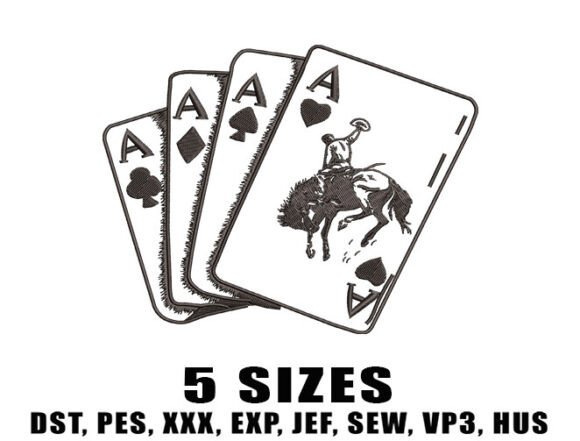
The moment I pulled up the preview for the Playing Card Western Embroidery Design, the mood was immediately clear: bold, rustic, and undeniably cool. This is not a delicate, whisper-quiet pattern; it is a statement piece. The concept of merging a classic playing card with Western motifs like cowboy boots, hats, or revolvers creates a narrative that resonates deeply with the current trend of "country chic" and rodeo-inspired fashion. For a boutique brand targeting customers who love country-style projects, this design hits the sweet spot between playful and edgy.
The layout appears balanced, utilizing the rectangular shape of the card to frame the Western elements effectively. In terms of stitching personality, the design feels decorative yet structured. It avoids looking too cartoonish, which is crucial when aiming for a finished product that feels high-end rather than novelty-grade. Whether you are aiming for a masculine vibe with dark leathers and gunmetal grays or a feminine twist with softer pastels, the core composition of this digital embroidery file seems versatile enough to adapt through thread selection alone.
Application on Sweatshirts and Hoodies
When planning a sweatshirt embroidery collection, fabric choice is everything. I tested the visual potential of this design across several fabric types. On neutral sweatshirts, such as heather gray or oatmeal, the Playing Card Western Embroidery Design pops with a clean, crisp contrast. The texture of the fleece provides a cozy backdrop that makes the satin stitches of the card suit and the fill stitches of the cowboy hat stand out beautifully.
For dark fabric, like charcoal or black hoodies, this design truly shines if you utilize high-contrast thread colors. Imagine a white or cream card face against a black hoodie, with the revolver or boots stitched in a metallic gold or deep burgundy. This combination screams premium custom apparel. Conversely, placing this on pastel colors offers a softer, more vintage appeal, perfect for spring collections or gender-neutral drops. The design works exceptionally well as a large back piece on an oversized hoodie, where the details have room to breathe, but it also scales down nicely for a left-chest placement, acting as a subtle brand mark.
Technical Considerations for Production
Before running this on a commercial machine, there are practical concerns every embroidery shop owner must address. While the specific stitch density and exact stitch count were not provided in the initial product description, a design of this complexity usually requires careful attention to underlay and pull compensation. When working with thick sweatshirt fabric, ensuring the stabilizer choice is robust enough to prevent puckering is non-negotiable. I recommend using a heavy-duty cut-away stabilizer to support the weight of the design, especially if the Western elements include dense fill areas.
Another critical factor is small-size readability. If you plan to use this as a sleeve accent or a small pocket detail, you must verify that the fine lines of the playing card indices and the intricate details of the boots or revolvers do not merge together. It is always wise to stitch a test sample on your actual garment fabric before committing to a full production run. Additionally, since the specific hoop size and file formats were not explicitly detailed in the provided text, I strongly advise checking the product listing thoroughly to ensure compatibility with your machine's hoop capabilities. You do not want to start a job only to realize the design requires a larger hoop than you have available.
Boosting Brand Value and Customer Engagement
In the world of handmade product sales, visual recognition is currency. Using a distinctive design like the Playing Card Western Embroidery Design can significantly affect product value. It tells a story. When a customer sees a well-executed Western-themed card on a garment, they aren't just buying a sweatshirt; they are buying into a lifestyle associated with rodeos, gaming, and country freedom. This emotional connection drives buyer trust and encourages social sharing.
For Etsy listings and online storefronts, the photogenic nature of this design is a major asset. The bold lines and thematic elements create excellent opportunities for lifestyle product photography. Imagine a flat lay with the embroidered hoodie surrounded by vintage playing cards, a leather belt, and some dried sage. These printable mockup scenarios and real-life photos enhance the perceived quality of your design assets and can lead to higher conversion rates. It transforms a standard garment into a collectible piece of commercial embroidery art.
Final Verdict for Designers
The Playing Card Western Embroidery Design is a strong contender for anyone looking to expand their catalog within the Games or Western niches. It possesses the boldness required for streetwear while maintaining the charm needed for cottage-core adjacent styles. However, success lies in the execution. Pay close attention to your thread colors to define the mood, select the right stabilizer for your fabric texture, and always validate the technical specs of the embroidery file before production.
If you are a creative entrepreneur looking to make a splash with your next seasonal drop, this design offers the versatility and visual impact necessary to stand out in a crowded market. Just remember to treat it with the respect a premium design deserves, and it will likely become a staple in your custom apparel lineup.