Silly Goose Embroidery Design: A Pro Review for Brands
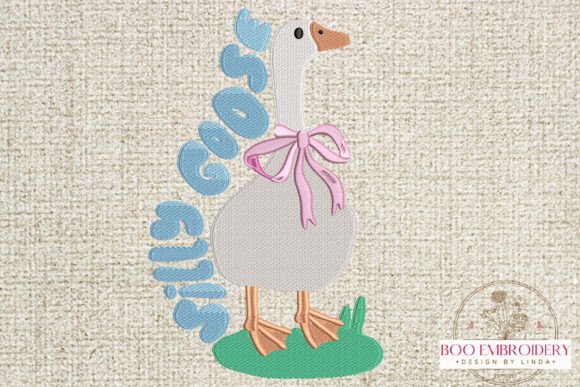
As an embroidery designer who spends most of my day digitizing logos and testing files for small business clients, I am always on the lookout for designs that strike the perfect balance between whimsical charm and professional durability. Recently, I took a close look at the Silly Goose Embroidery Design, Cute Goose to evaluate its potential for branded merchandise. In the world of Farm Animals themed Embroidery, it is easy to find designs that look cute on a screen but fail when stitched out on a heavy canvas tote or a structured cap. This review breaks down how this specific machine embroidery design performs in real-world commercial applications.
First Impressions: Playful Yet Professional
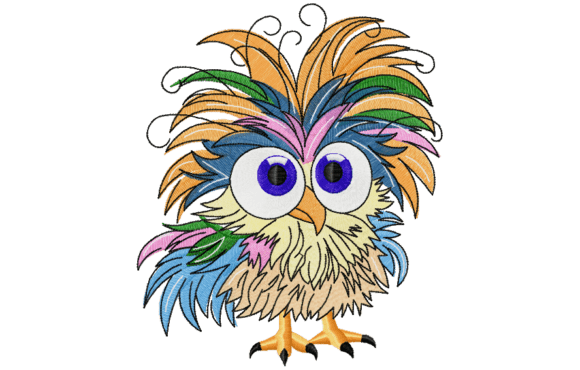
The moment you load the digital embroidery file for the Silly Goose, the immediate impression is one of friendly approachability. The title suggests a "cool" and "quirky" accent, and the visual personality delivers on that promise without sacrificing clarity. For a boutique bakery, a local florist, or a pet brand looking to establish a warm, handmade vibe, this design hits the mark. It feels less like a rigid corporate logo and more like a signature mark that says, "We are fun, we are creative, and we pay attention to detail."
However, for business owners, "cute" cannot come at the expense of quality. The design appears to have clean lines and distinct shapes, which are crucial for maintaining brand identity. When scaling a design down for a chest logo or a sleeve detail, complex details often turn into a muddy mess of thread. The Silly Goose seems to rely on bold outlines and clear spacing, which is a promising sign for its versatility across different fabric textures.
Real-World Business Applications
The true test of any embroidery file is how it translates into tangible small business merch. Here is how the Silly Goose Embroidery Design, Cute Goose performs in various commercial scenarios:
- Embroidered Patches: This is likely the strongest use case. A well-digitized goose makes for an excellent iron-on or sew-on patch. Small cafes can use these as loyalty rewards, while Etsy sellers can include them as free gifts with purchase to boost unboxing experiences.
- Staff Uniforms and Aprons: For a creative studio or a children's activity center, stitching this design onto an apron embroidery project adds a touch of personality to staff uniforms. It humanizes the brand and makes employees feel part of a fun team culture.
- Cap Embroidery: Placing the goose on the front or side of a baseball cap can create a memorable look. However, curved surfaces require careful hooping and stabilization to prevent distortion, especially with a character that has distinct features like a beak or eyes.
- Tote Bag Design: Canvas totes are staples for markets and pop-up shops. The Silly Goose works well here as a central focal point, turning a generic bag into a branded asset that customers will actually want to carry around town.
- Product Packaging Accents: Beyond apparel, this design can be stitched onto fabric tags attached to product packaging, adding a premium, handmade product feel that justifies a higher price point.
Critical Considerations for Production
While the design is charming, there are specific areas where business owners and decorators need to exercise caution. Not every design works everywhere, and ignoring technical limitations can ruin a batch of custom apparel.
Size Matters: If you intend to use the Silly Goose as a tiny label on a collar or a small tag, you must verify the minimum stitch size. Fine details in the eyes or feathers may disappear if the design is scaled too small. Always request a test stitch-out at your intended size before committing to a full production run.
Stitch Density and Fabric: High stitch density can cause puckering, especially on stretchy fabrics like jersey knits used for t-shirts. If the design is dense, it might be too stiff for a lightweight tee but perfect for a heavy hoodie or denim jacket. Conversely, on textured fabrics like terrycloth towels, ensure the satin stitches are wide enough to bridge the loops of the fabric; otherwise, the goose will look jagged.
Color Contrast: The description mentions transforming fabrics with a "touch of charm," which often implies vibrant thread colors. However, if you are stitching onto dark uniforms, you must ensure there is enough contrast. A light-colored goose on a navy shirt looks great, but if the outline is too thin, it might get lost. Consider using an underlay stitch or a backing patch to ensure the design pops on darker materials.
Impact on Brand Identity and Customer Trust
In today's market, visual consistency is key to building customer trust. Using a cohesive set of design assets helps buyers recognize your brand instantly. The Silly Goose Embroidery Design, Cute Goose offers a unique visual hook. Unlike generic clipart, a dedicated embroidery design signals that a business invests in quality. When a customer receives a tote bag or a hat with a crisp, well-stitched goose, it elevates the perceived value of the finished product.
Furthermore, this type of imagery fosters engagement. People love sharing photos of quirky, well-made merch on social media. By incorporating this design into your commercial embroidery lineup, you are not just selling a product; you are creating a conversation starter that enhances buyer engagement and brand recall.
Practical Notes for the Embroidery Designer
Before you start stitching this design for client orders, follow these professional steps to ensure success:
- Test in Black and White: Stitch a monochrome version first to check the definition of shapes without relying on color contrast. This reveals issues with spacing and density.
- Verify Hoop Size: Confirm the required hoop size matches your machine's capabilities. Do not attempt to force a large design into a small hoop by re-hooping, as this leads to misalignment.
- Check Stabilizer Requirements: Use the proper stabilizer for your specific fabric. Cut-away stabilizer is usually best for garments that will be washed frequently, ensuring the goose doesn't warp over time.
- Create a Printable Mockup: Before stitching, create a printable mockup to show your client exactly where the design will sit on the garment. This manages expectations and prevents costly mistakes.
- Review Commercial Licensing: Always confirm the license terms of the digital embroidery file. Ensure you have the right to use the Silly Goose Embroidery Design, Cute Goose for commercial purposes, especially if you are selling the finished goods.
- Compare Design Assets: Place this design beside your other branding elements to ensure the style matches. You want a cohesive look across all your merchandise.
Since the product description does not specify exact stitch counts, file formats, or specific hoop dimensions, it is vital to check the download details or contact the creator before beginning production. Assuming these technical specs can lead to wasted thread and ruined blanks.
In conclusion, the Silly Goose Embroidery Design, Cute Goose is a versatile asset for small businesses looking to add personality to their offerings. Whether used for cap embroidery, staff aprons, or retail patches, its potential to enhance brand identity is significant. With careful attention to fabric choice, sizing, and stabilization, this design can become a staple in your small business merch lineup, delivering both aesthetic appeal and durable quality.