Review: Primitive Sheep and Crow Embroidery File
As an embroidery designer who has spent years digitizing and reviewing files for small business merchandise, I approach every new digital embroidery file with a critical eye. It is not enough for a design to look cute on a screen; it must perform flawlessly under the needle to protect a brand's reputation. Today, I am reviewing the Primitive Sheep and Crow Embroidery File, a design categorized under Farm Animals that promises "cozy country charm." For boutique owners, café operators, and handmade brands, this review evaluates whether this asset is ready for commercial application or if it requires careful handling before becoming part of your brand identity.
First Impressions and Visual Personality
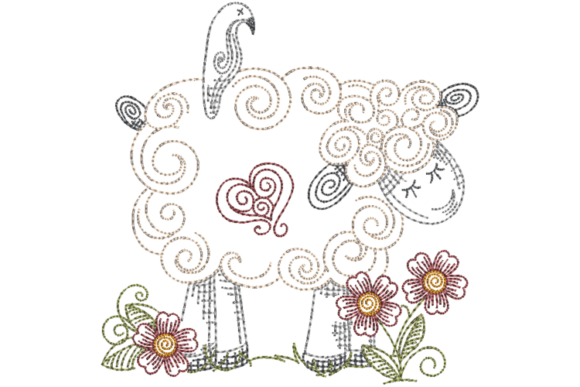
The immediate visual impact of the Primitive Sheep and Crow Embroidery File is one of rustic warmth. The description highlights a curly wool sheep featuring stitched swirls and a heart on its side, accompanied by a sweet crow perched on its back. This combination creates a narrative of friendship and nature that feels distinctly handmade rather than corporate. For businesses in the bakery, florist, or pet industry sectors, this aesthetic is gold. It signals approachability and artisanal quality.
However, from a professional standpoint, "primitive" styles can be tricky. They often rely on irregular lines and textured fills to mimic hand-stitching. While this adds character, it can sometimes translate poorly if the stitch density is too high or if the spacing between elements is too tight. My first impression is that this design leans heavily into the "playful" and "decorative" categories. It is less suited for a sleek, modern tech startup and perfect for a local farm-to-table market or a craft studio looking to enhance their small business merch with personality.
Real-World Business Applications
When considering where to deploy this machine embroidery design, the possibilities for custom apparel and accessories are vast. Here is how I see this file performing in real commercial scenarios:
- Embroidered Patches: This is likely the strongest use case. The distinct outline of the sheep and the crow would pop beautifully on a twill patch. Patches allow you to apply the design to various products without embroidering directly onto delicate fabrics, making it ideal for finished product versatility.
- Apron Embroidery: For bakeries and florists, an apron featuring this design on the chest or pocket adds a touch of whimsy to staff uniforms. It humanizes the brand and makes employees feel part of a cozy team.
- Tote Bag Design: Canvas tote bags are a staple for retail shops. The rustic nature of the sheep and crow complements natural fiber bags perfectly, serving as a walking advertisement for your shop.
- Cap Embroidery: Placing this on the front panel of a dad hat or trucker cap could work well, provided the curvature of the cap does not distort the detailed swirls of the sheep's wool.
- Product Packaging Accents: Small versions of this design could be embroidered onto fabric tags attached to packaging, elevating the unboxing experience for customers.
In each of these applications, the goal is to boost customer trust and recognition. A consistent visual theme across uniforms and merchandise tells customers that you care about the details, which directly influences perceived product value.
Critical Considerations for Production
While the artistic merit is clear, practical execution requires caution. Not every surface is suitable for every design. When using the Primitive Sheep and Crow Embroidery File, you must be mindful of the following constraints:
- Small Patch Sizes: If you intend to shrink this design for a small label or a tiny pocket logo, the "stitched swirls" describing the wool may merge together. Fine details often disappear when scaled down below two inches. Always test a smaller version before committing to a production run.
- Curved Surfaces: Embroidering on cap fronts or rounded sleeves can cause registration issues. The crow perched on the sheep involves precise alignment; if the fabric shifts during stitching, the bird might look like it is floating away from the sheep.
- Fabric Texture: This design relies on contrast. On highly textured fabrics like thick bouclé or loose-weave linen, the finer outlines might get lost. Smooth cotton, twill, or denim will yield the crispest results.
- Dark Uniforms: If your staff wears black or navy, ensure the thread colors selected for the sheep and crow provide sufficient contrast. A dark crow on a dark shirt will vanish, negating the design's impact.
- Wash Durability: Items like aprons and work shirts undergo frequent washing. High stitch density areas, such as the curly wool, can become stiff or pucker over time if not properly stabilized.
Impact on Brand Identity and Engagement
In the current market, consumers crave authenticity. Using a design like the Primitive Sheep and Crow Embroidery File helps bridge the gap between mass production and artisanal care. It suggests that your brand values tradition and nature. This emotional connection drives buyer engagement. When a customer sees a well-executed embroidered patch on a product, they perceive it as higher quality than a printed graphic. This perception justifies higher price points and fosters loyalty.
Furthermore, consistency is key. If you use this design on your social media printable mockup assets and then deliver the physical embroidered patch or apparel with the same high quality, you reinforce visual consistency. This reliability builds a strong brand identity that customers remember and trust.
Professional Designer Notes and Best Practices
Before you load this file into your machine for a client order or your own inventory, follow these essential steps to ensure professional results:
- Test in Black and White: Before selecting vibrant threads, stitch a sample using only black and white thread. This reveals the true structure of the design and highlights any potential spacing issues without the distraction of color.
- Verify Hoop Size: The product description does not specify the exact dimensions or required hoop size. Check the file properties immediately upon download to ensure it fits your intended application area.
- Stabilizer Selection: Given the likely texture of the wool swirls, use a cut-away stabilizer for garments that will be washed frequently. Tear-away may not provide enough long-term support for dense stitching.
- Create a Mockup: Always generate a printable mockup or a digital composite showing the design on the specific garment color you plan to use. Present this to your client or review it yourself to approve the look before stitching.
- Check Commercial Licensing: Since this is intended for commercial embroidery projects, confirm the license terms included with the digital embroidery file. Ensure you have the rights to sell finished goods featuring this design.
- Compare Design Assets: Place this file beside your other design assets. Does the style match? If your brand is ultra-modern, this primitive style might clash. Ensure it fits your overall visual language.
The Primitive Sheep and Crow Embroidery File offers a delightful opportunity for small businesses to add character to their merchandise. However, its success depends entirely on thoughtful application and rigorous testing. By respecting the limitations of the medium and understanding the strengths of the design, you can turn this simple image of a sheep and a crow into a powerful tool for brand storytelling and business growth.