Sunshine Line Art Embroidery Design Review for Craft Fairs
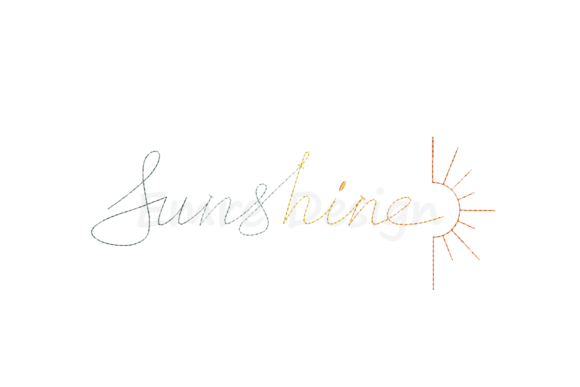
As I set up my booth for the upcoming weekend market, I am constantly evaluating which digital embroidery file will give me the best return on investment. Time is money when you are a small shop product creator, and every design needs to earn its place on my display table. Today, I am taking a close look at the Sunshine Line Art Embroidery Design. Based on the description promising a "fun and whimsical touch," this piece feels like a strong contender for the Summer season. My goal is to determine if this design translates well from a screen preview to a tangible handmade product that stops customers in their tracks.
First Impressions and Aesthetic Appeal
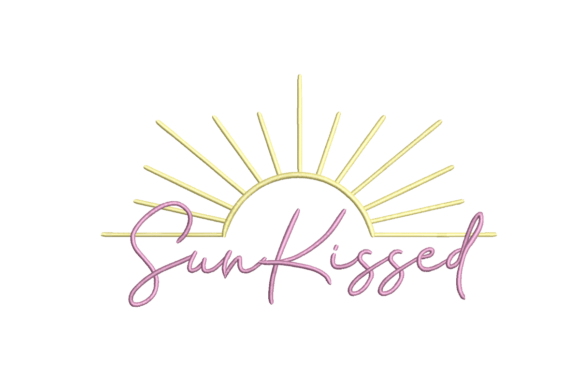
The moment I pull up the preview of the Sunshine Line Art Embroidery Design, the vibe is immediately clear: it is modern, minimal, and cheerful. Line art has become incredibly popular in the boutique maker community because it offers a clean look that doesn't overwhelm the fabric. Unlike dense, heavy fills that can make a towel feel stiff, line work tends to sit lightly on the material. This specific design seems to capture that perfect balance of decorative yet simple. It feels less like a rustic farmhouse piece and more like something you would find in a trendy urban gift shop. For an Etsy seller or craft fair vendor, this aesthetic is gold because it appeals to a wide demographic, from young adults looking for cute accessories to homeowners seeking fresh decor.
Ideal Applications for Market Sales
When planning my craft fair product lineup, versatility is key. I need designs that work across multiple substrates without requiring constant machine re-threading or complex setup changes. Here is how I see the Sunshine Line Art Embroidery Design performing on various items:
- Tote Bags and Market Bags: This is likely the strongest application. A large hoop placement on a canvas tote allows the line art to breathe. The simplicity of the sun motif pairs beautifully with natural cotton colors, making it an instant bestseller for eco-conscious shoppers.
- Tea Towel Embroidery: Kitchen linens are staple sellers. Because line art usually has lower stitch density, it won't create a bulky ridge that makes folding towels difficult. It adds a personality punch to a plain white or cream towel without compromising functionality.
- Apron Embroidery: Placing this design on the bib of an apron creates a focal point that is visible from a distance. It transforms a utility item into a giftable finished product.
- Embroidered Patches: If the file allows for a satin border, this could be cut out and sold as an iron-on patch. Patches are low-cost, high-margin items that attract younger crowds at festivals.
- Caps and Hats: While possible, curved surfaces require caution. Line art can sometimes distort if the fabric stretches during stitching, so this might be better suited for flat bills or unstructured caps rather than tight front panels.
Production Practicality and Batch Efficiency
For those of us running a commercial embroidery side hustle, production speed matters. The Sunshine Line Art Embroidery Design appears to be optimized for quick turnaround. Designs with open spaces and running stitches generally stitch out faster than those with complex fills. This means I can run multiple hoops while managing other tasks at my booth or studio. However, before committing to a full batch, I always advise testing the machine embroidery design on scrap fabric first. You need to verify the thread colors against your intended fabric palette. A yellow sun might pop on navy blue but disappear on a mustard-yellow linen. Contrast is everything when selling visually driven goods.
Another critical factor is how the design photographs for online listings. In today's market, your printable mockup quality often determines the click-through rate. Line art designs tend to photograph exceptionally well because they don't cast harsh shadows like raised 3D puff embroidery. This makes creating design assets for social media or Etsy listings much easier. The clean lines ensure the product looks professional in both natural light and flash photography.
Technical Considerations and Careful Use
While the design sounds charming, there are technical pitfalls to avoid. Not all line art is created equal. If the lines are too thin, they may break or look sparse on textured fabrics like waffle-weave towels. Conversely, if the stitch density is too high for a running stitch, it can cause puckering on lightweight fabrics like t-shirts.
Here are specific areas where you must exercise caution:
- Fabric Texture: Avoid using this on highly textured loops unless the design is specifically digitized for it. The needle might miss the peak of the loop, resulting in gaps in the sunshine rays.
- Small Details: Check the smallest elements of the sun rays. If they are shorter than 3mm, they might not hold up well after washing, especially on items meant for heavy use like aprons.
- Dark Fabric: Line art relies on contrast. If you plan to stitch this on black or dark navy, ensure the digitizer included an underlay or if you need to manually add a backing layer to prevent the fabric from showing through the stitches.
- Hoop Size: Confirm the required hoop size before purchasing. If the design is larger than your standard 4x4 hoop, you may need to invest in a larger frame or consider splitting the design, which is rarely ideal for line art continuity.
- Stabilizer Choice: Even for light designs, the right stabilizer is non-negotiable. For stretchy fabrics like t-shirts, a cut-away stabilizer is safer to prevent distortion over time, whereas tear-away might suffice for stable woven cottons.
Maximizing Buyer Engagement and Brand Value
Ultimately, the success of the Sunshine Line Art Embroidery Design comes down to how it enhances your brand consistency. If your booth features a cohesive color story—perhaps warm yellows, soft creams, and sage greens—this design acts as the perfect anchor. It signals to the customer that your products are thoughtful and curated. Customers at craft fairs are looking for that "handmade quality" that mass-produced items lack. The slight imperfections of machine embroidery on a natural fabric tell a story of human creation.
Furthermore, this type of design encourages impulse buys. Because it is versatile, a customer might buy a towel for themselves and then realize the same design on a pouch would make a great gift for a friend. It increases the average transaction value at your booth. For the commercial embroidery professional, repeatability is also a huge plus. Once you have dialed in the tension and stabilizer for this file, you can reproduce it hundreds of times with consistent results, ensuring every customer gets the same high-quality experience.
Before you finalize your order or start stitching, remember to check the licensing terms. Ensure the digital embroidery file includes commercial rights if you intend to sell the physical finished product. Many designers offer different tiers of licenses, and violating these terms can put your small business at risk. Assuming the license is cleared, the Sunshine Line Art Embroidery Design represents a low-risk, high-reward addition to your Summer collection. It bridges the gap between trendy aesthetics and practical application, making it a smart choice for any maker looking to spruce up their inventory with personality and charm.